
Posts By :

Riko Eichner

Academy on Ecology 1024 682 Riko Eichner

Academy on Ecology

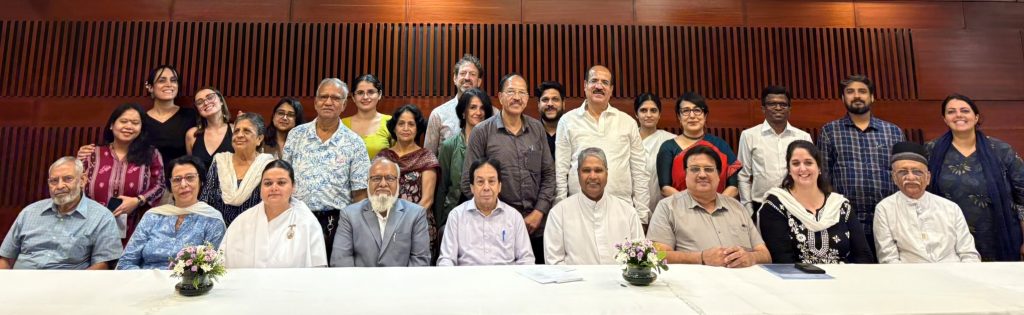
India Peace Centre is happy to announce its next Training Program – “Academy on Ecology” scheduled to be held from 25th to 29th March 2026 at Bhubaneswar, Odisha.
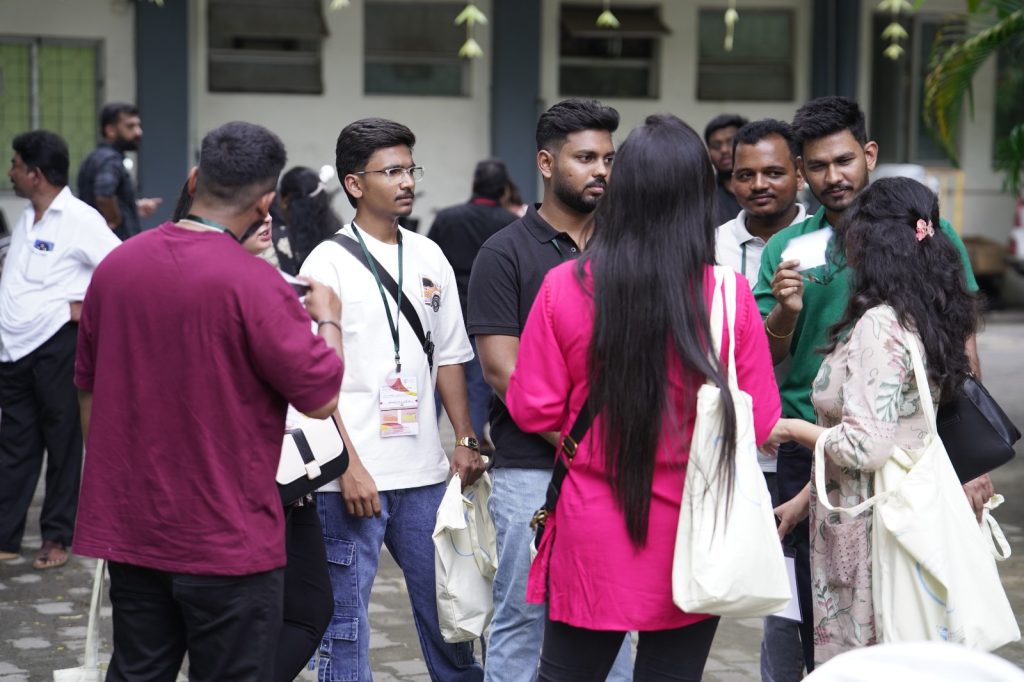

The Academy will have presentations, Learning by doing Activities and practical exposures. It will deal with

1. Climate Change – Mitigation, Adaptation, Resilience and Equity
2. UN Sustainable Development Goals
3. Climate Induced Migration
4. UN COP
5. National and International Policies
6. Indigenous Knowledge System
7. Land, Water and Food

Participant will be provided with intense classroom learning and visits. They will receive researched study materials.

Expectation from the Participants

1. Young people between the age group of 20-27
2. Committed towards climate justice
3. Willingness to volunteer in Climate Awareness, Advocacy and Action at least 3 years after the Training, thus, submit a zero budget project proposal for his / her community engagement
4. Must carry endorsement letter from the one of the constituents of IPC or IPC Chapters
5. Proficiency in English and be open to learn

IPC will take care of the travel by train ( 3AC without incidentals ), and logistics of the selected participants during the course of the training. Participants will be given double shared accommodation.

Selected participants are requested to fill the google form and submit not later than 25 February 2026, in order to start organizing tickets and stay.

https://forms.gle/LHuoEBBS6pzdUPog6

For more info, please write to

ipc@indiapeacecentred.org

Statement on UN COP 30 1024 315 Riko Eichner

Statement on UN COP 30

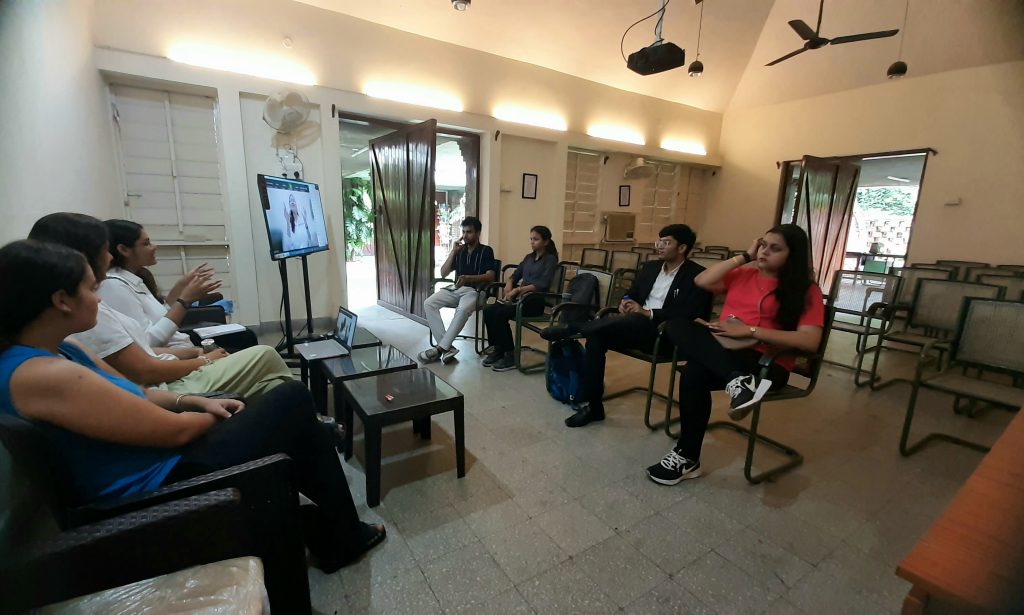
As the global community convenes in Belém, Brazil, for the 30th Conference of the Parties (COP 30) from November 10–21, 2025, the India Peace Centre expresses its full solidarity with international efforts to address the growing climate crisis. Guided by its commitment to peace, harmony, and sustainable development, the Centre recognizes that climate change is one of the most critical challenges facing humanity, the environment, and future generations.

Our Initiatives and Engagement

In preparation for COP 30, the India Peace Centre has conducted eight major programs as part of a broader Seventeen-program initiative on climate awareness, advocacy and action. These include:

  • Four academic webinars organized across Bhubaneswar, Sambhajinagar, Chennai, Nagpur, and New Delhi, bringing together scholars, educators, and Students and youth to discuss the science, impacts, and responses to climate change.
  • Three thematic webinars under the series “Dynamics of COP”, analyzing the evolution of global climate negotiations, key milestones, and pathways for effective outcomes at COP 30.
  • One interfaith dialogue at the Lotus Temple, New Delhi, uniting leaders from diverse faiths to emphasize environmental responsibility as a shared moral and spiritual value.

These initiatives have collectively reached over 1,000 participants through in-person and online participation. The remaining Nine programs—including youth climate leadership workshops, women-led environmental action forums, indigenous community engagement sessions, and local sustainability campaigns—will be implemented in the coming months to strengthen inclusive and continued climate engagement.

The Climate Challenge

The increasing frequency of floods, droughts, heatwaves, and cyclones demonstrates the urgent reality of the climate crisis. Such events have led to significant human and ecological loss, affecting agriculture, livelihoods, and community resilience. The impacts are especially severe for the poor, women, youth, and indigenous groups who often have limited means to adapt or recover.

The India Peace Centre acknowledges that addressing climate change requires a holistic and multi-dimensional approach, encompassing ecological balance, human rights, natural resource management, gender equity, and social justice. We believe that climate solutions must integrate scientific knowledge with traditional wisdom and local community participation and interfaith approach.

Call for Collective Responsibility

At COP 30, the India Peace Centre joins the call for:

  • Strengthened global cooperation to reduce emissions and accelerate the transition to renewable energy.
  • Effective implementation of climate finance, capacity building, and technology transfer for developing countries.
  • Greater inclusion of youth, women, and indigenous communities in climate policy formulation and action plans.
  • Transparent and timely support for adaptation and resilience measures in vulnerable regions.

We also encourage faith-based and community organizations to embed environmental stewardship and sustainable living into their ongoing activities as a moral and social commitment.

Looking Ahead

The India Peace Centre reaffirms its commitment to advancing education, dialogue, interfaith collaboration, and community-driven initiatives for climate action. Following COP 30, the Centre will complete its planned series of programs and launch a nationwide “Faith for Climate” campaign to foster interfaith cooperation for environmental sustainability.

In solidarity with COP 30, the India Peace Centre envisions a future where climate justice, equality, and ecological harmony guide development and collective progress. Through collaboration, compassion, and commitment, we can protect our planet and ensure a peaceful, sustainable world for all.

Angelious Michael
Director
India Peace Centre

Talking stories 581 377 Riko Eichner

Talking stories

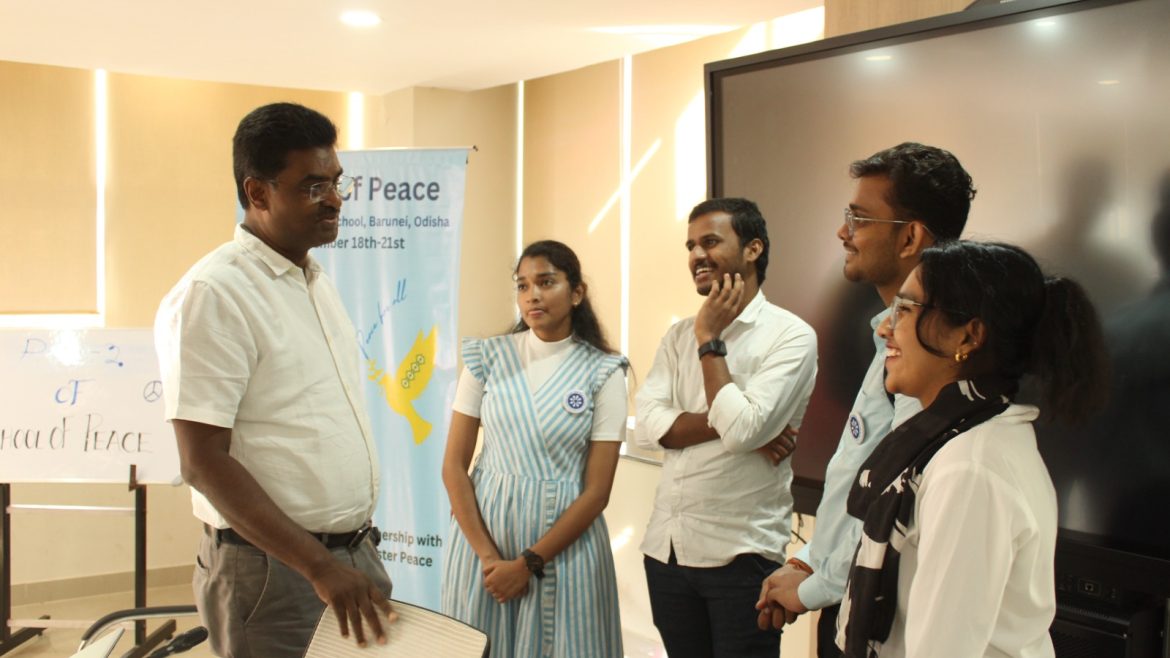
Save the date: Every 2nd Friday in the month, starting at 12th September.

The objective

“Talking Stories” shall be a monthly gathering at India Peace Centre in which we exchange about stories of various kind that are related to the objectives of IPC. We want to discuss about peace, justice, and environment related topics. “Talking Stories” is telling and hearing stories, analysing and discuss. This review and storytelling sessions shall be a place to exchange about ideas and good stories and also discuss, what we might learn from each other.

The concept

Every meeting few (one to three) people bring a story they want to share with the group. This might be a movie or documentary we watch together, a short story that is read out at the meeting or a book presentation with a sample reading. The concept is kept freely. People can bring a story they like, tell it, and give information about it in whatever way they like. It is also possible to read out or tell a story of your own origin. However, it should match with the objectives of India Peace Centre (peace, justice, environment related topics). After the story we talk about it. There is room for questions, thoughts and feelings about the story and a discussion between the participants. The person(s) who present the story might also moderate/host the discussion. There shall be different people presenting their stories each meeting. You can also do it in groups of two or three people.

Expected outcome

The goal is to broaden our horizon via storytelling and sharing knowledge. We want to celebrate the power of stories. Stories depict various issues and human concerns in a way you can relate to it. A well-made story makes you dive into it, feel with the characters, and understand their struggles not only intellectual but also emotionally. So, in sharing our stories we offer understanding of our struggles and concerns to the other people that listen to it. The program also contributes to the objectives of the India Peace Centre engaging with peace and environmental issues as well as social justice. The goal is to have a gathering of interested and engaged people to fill the campus of IPC with life and meaningful conversations. Finally, it is also about building a good relationship with one another and have some fun. The idea is that everyone dives into their own interests so that the program does not feel like exhausting extra work but as an activity that can be enjoyed. When we all share content of our own interest, we will also develop and broaden our very own interests in exchanging with others.

School of peace 1024 682 Riko Eichner

School of peace

School of Peace has been an ongoing program of the India Peace Centre for many years now – that had also been known as Interfaith School of Peace earlier.

The School of Peace is designed as a training program aimed to coach youth and students on Peace Education. The India Peace Centre believes; peace is multidimensional and not just the absence of war or conflict. It reflects life, dignity, and integrity. India Peace Centre together along with its regional Chapters reflected on the necessity of peace education for young people.

Four School of Peace were organized in the year 2024-25 at Khurda (Odisha), Shillong (Meghalaya), Gandhi Nagar (Gujarat) and Pathnamthita (Kerala).

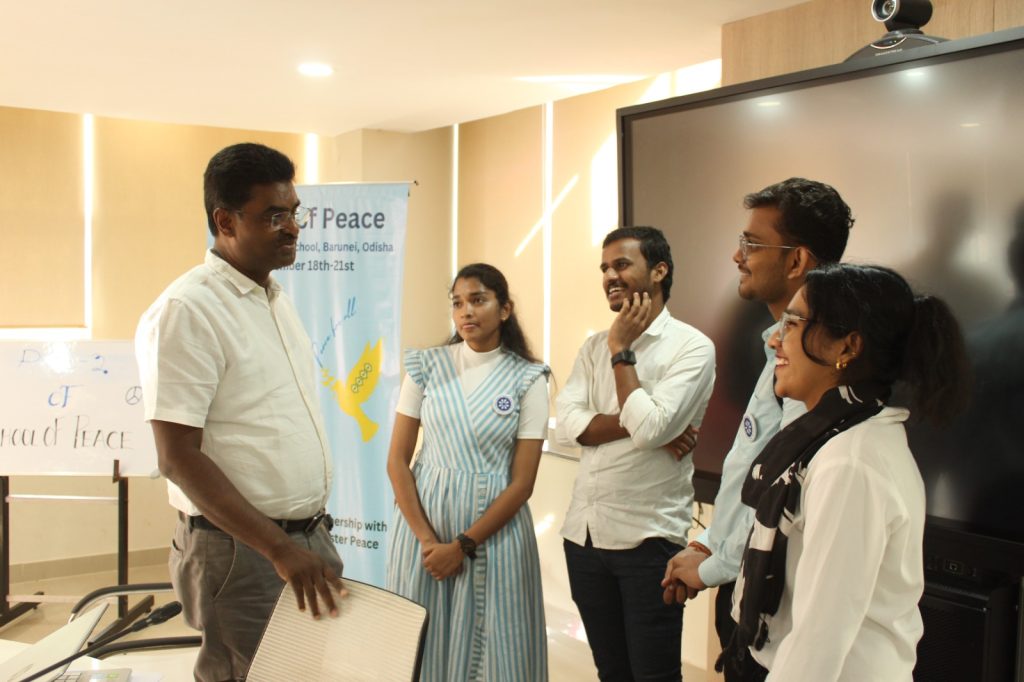
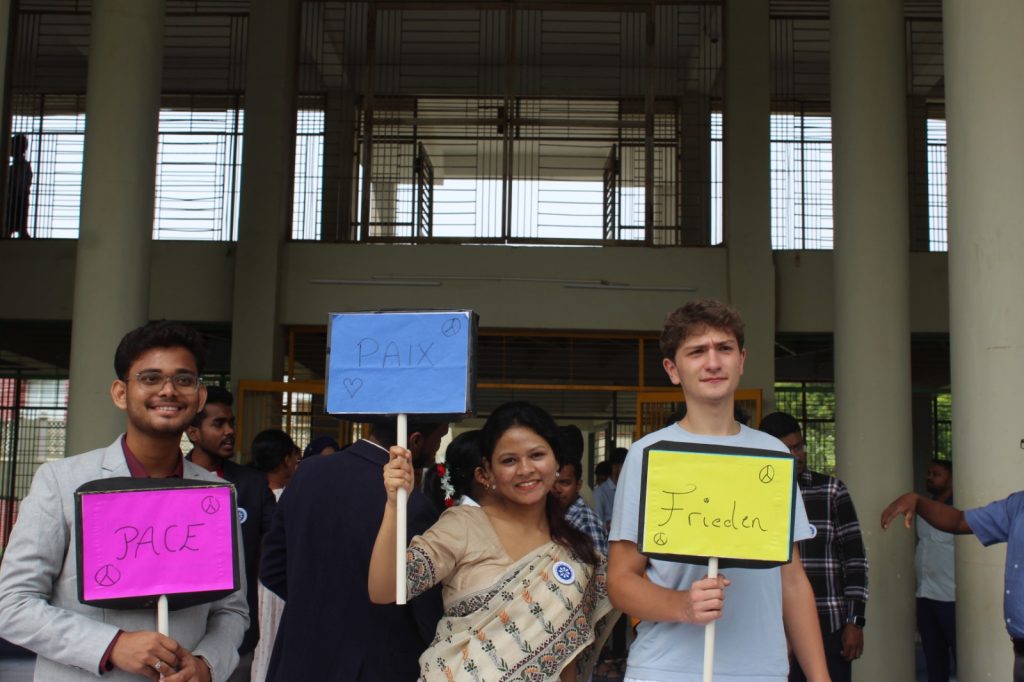
The India Peace Centre (IPC), in collaboration with KT Global School and Master Peace, organized the School of Peace Program in Khordha, Odisha, from September 18th to September 21st, 2024. This event marked the inaugural session of the four School of Peace Programs envisioned by the India Peace Centre for the year 2024 and 2025. Formerly known as the Interfaith School of Peace, the program has undergone a remarkable evolution. While it continues to embrace the essence of interfaith dialogue, the School of Peace Program now envisions a comprehensive training module for youth centred on the principles of Peace Education. It seeks to disseminate the multidimensional aspects of peacebuilding, advancing well beyond the notion of negative peace, which is merely the absence of conflict. The core idea is to equip youth with the essential tenets of peace: Life, Dignity, and Integrity.

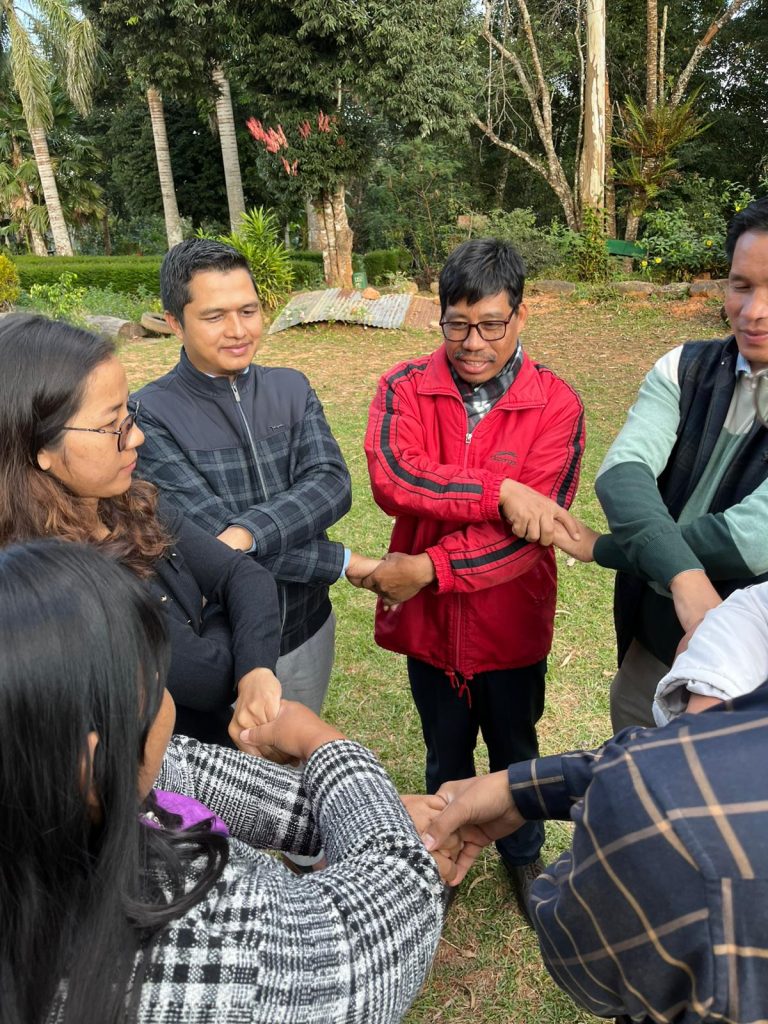
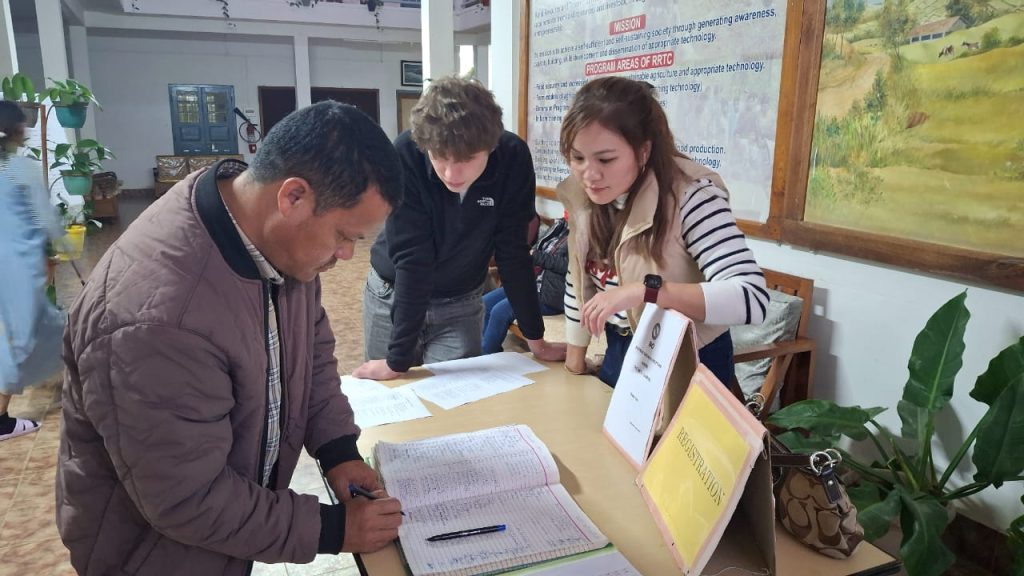
The Second School of Peace was held from 20th to 22nd November 2024 at the Rural Resource Centre in Umran, Meghalaya. This event was organized by India Peace Centre in collaboration with North East India Christian Council (NEICC) Peace Centre. The programme brought together 47 participants from various NEICC units, along with special invitees.

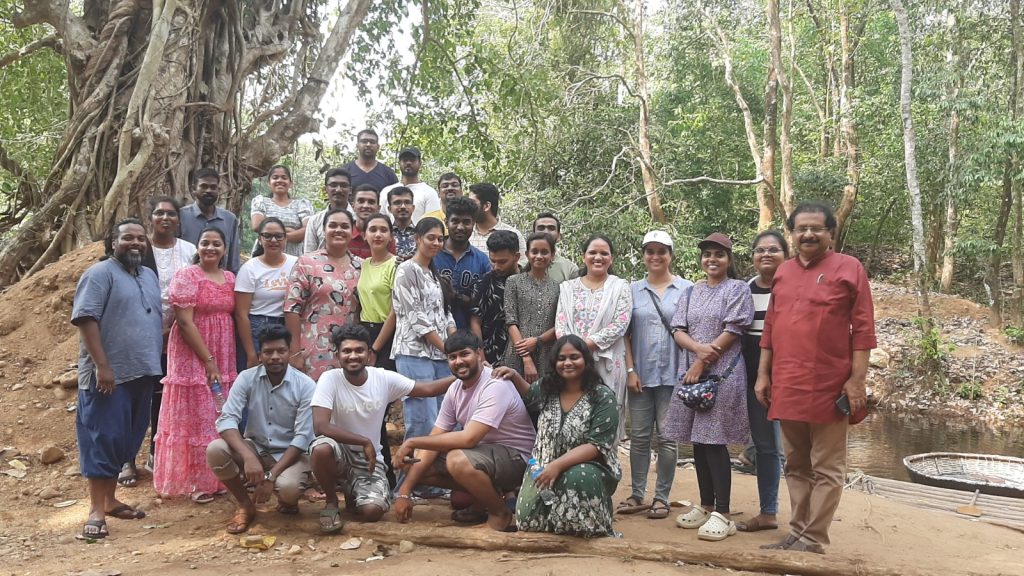
The Third School of Peace was held at Gandhinagar, Gujarat from 27th to 30th November, 2024 at Jeevantirth. About 20 youth participated in the four days extensive program.

The four days training highlighted:

Life and Dignity

Indigenous people, gender equity, child protection, youth formation, education, SDGs

Sustainable Planet

Climate Change, SDGs, UN Climate Conference, Sustainable, life style, economy, and ecology, agriculture

Just and Inclusive Communities

Interfaith relations and harmony, equity and justice, overcoming, discrimination and prejudices

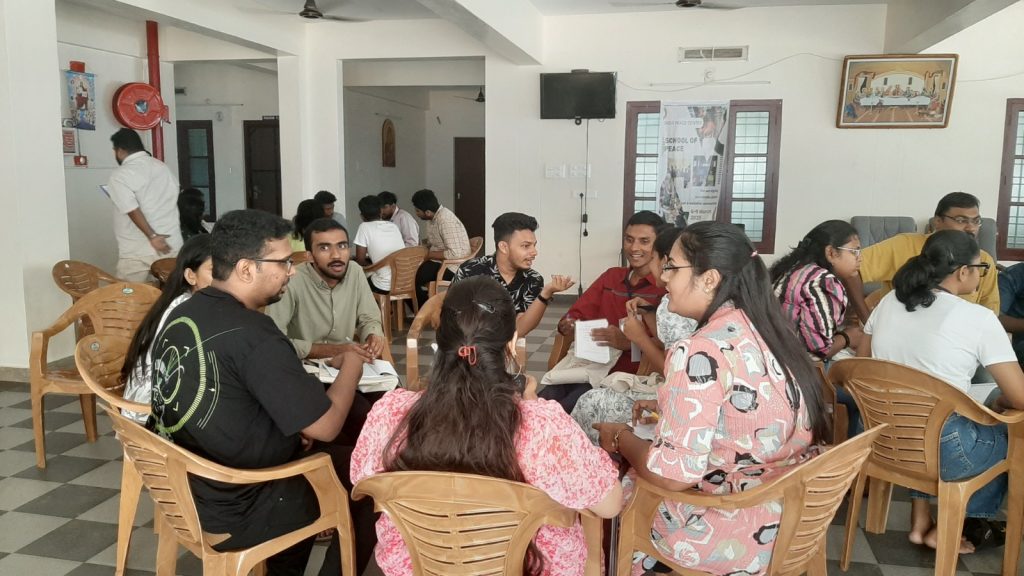
The fourth School of Peace was held at Pathnamthita, Kerala at the Rajan Ecumenical Foundation from 6th to 9th March 2025. About 30 youth attended the program. The four school of peace brought together about 130 youth and students together to reflect on peace from the perspective of justice, life, dignity and integrity.

The first School of Peace Program brought this vision to life with profound impact. The overarching emphasis of the four-day training was on the interconnection of peace with justice, intercultural and inter-religious harmony, environmental stewardship, and the use of sustainable technologies. The training program witnessed active participation from 25 youth, 8 organizations, 10 distinguished scholars, and over 100 school students. This report offers a glimpse into this transformative journey.