
School of peace
School of Peace has been an ongoing program of the India Peace Centre for many years now – that had also been known as Interfaith School of Peace earlier.
The School of Peace is designed as a training program aimed to coach youth and students on Peace Education. The India Peace Centre believes; peace is multidimensional and not just the absence of war or conflict. It reflects life, dignity, and integrity. India Peace Centre together along with its regional Chapters reflected on the necessity of peace education for young people.
Four School of Peace were organized in the year 2024-25 at Khurda (Odisha), Shillong (Meghalaya), Gandhi Nagar (Gujarat) and Pathnamthita (Kerala).
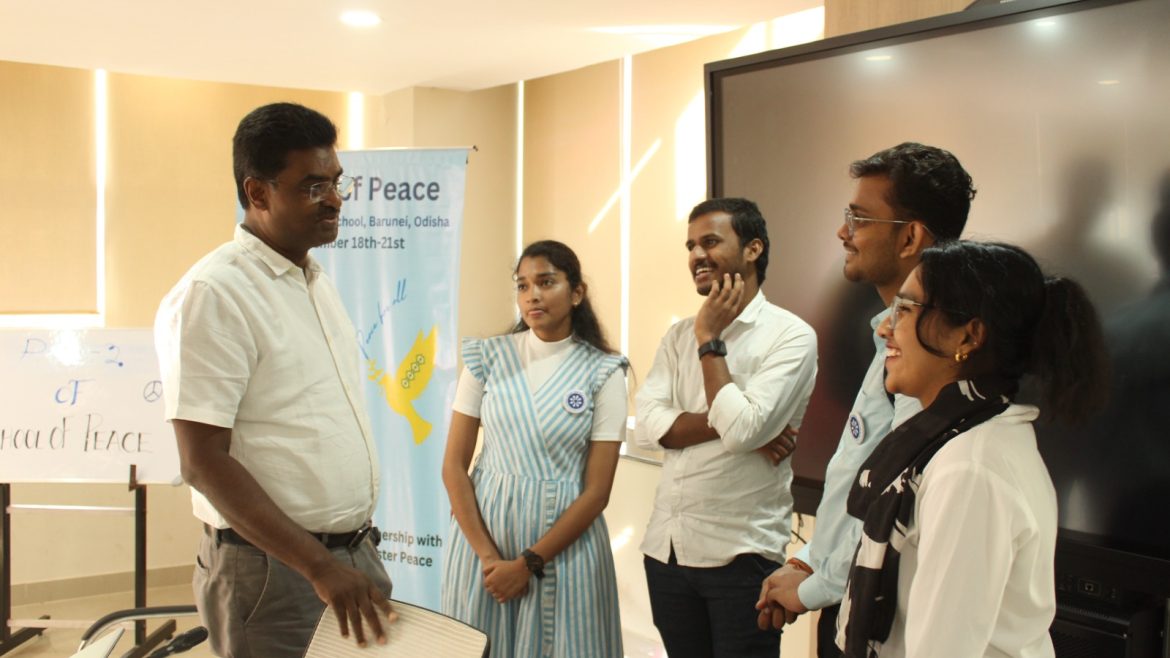
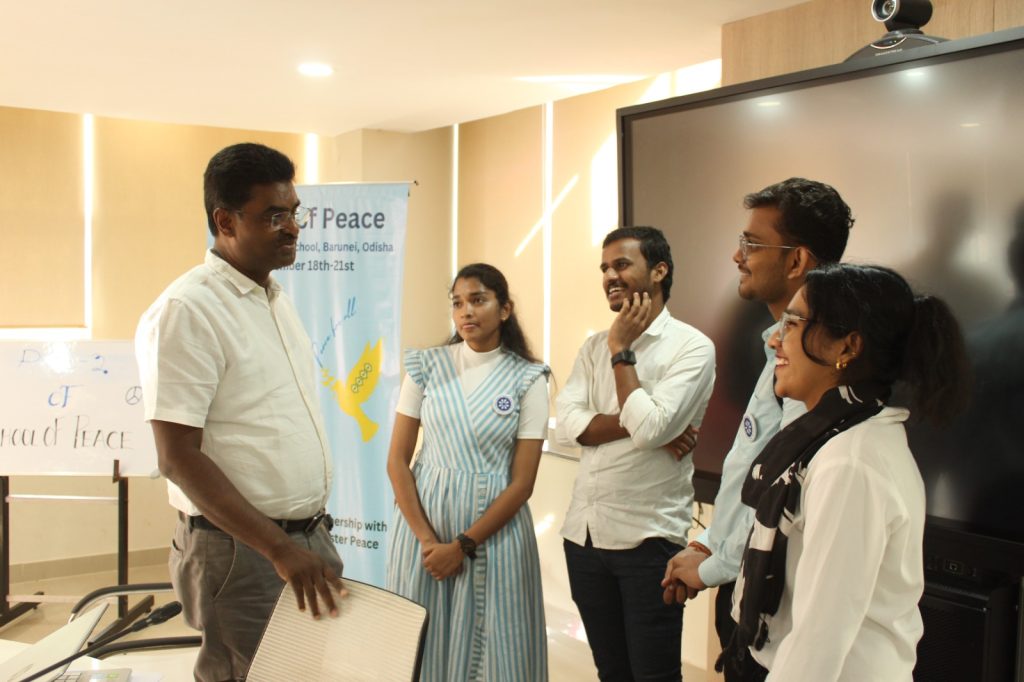
The India Peace Centre (IPC), in collaboration with KT Global School and Master Peace, organized the School of Peace Program in Khordha, Odisha, from September 18th to September 21st, 2024. This event marked the inaugural session of the four School of Peace Programs envisioned by the India Peace Centre for the year 2024 and 2025. Formerly known as the Interfaith School of Peace, the program has undergone a remarkable evolution. While it continues to embrace the essence of interfaith dialogue, the School of Peace Program now envisions a comprehensive training module for youth centred on the principles of Peace Education. It seeks to disseminate the multidimensional aspects of peacebuilding, advancing well beyond the notion of negative peace, which is merely the absence of conflict. The core idea is to equip youth with the essential tenets of peace: Life, Dignity, and Integrity.
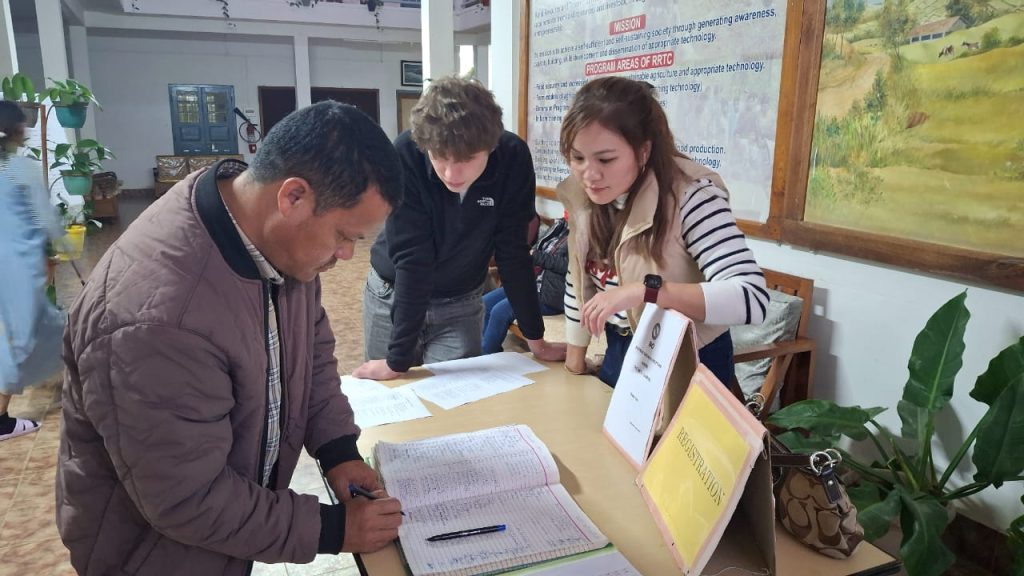
The Second School of Peace was held from 20th to 22nd November 2024 at the Rural Resource Centre in Umran, Meghalaya. This event was organized by India Peace Centre in collaboration with North East India Christian Council (NEICC) Peace Centre. The programme brought together 47 participants from various NEICC units, along with special invitees.
The Third School of Peace was held at Gandhinagar, Gujarat from 27th to 30th November, 2024 at Jeevantirth. About 20 youth participated in the four days extensive program.
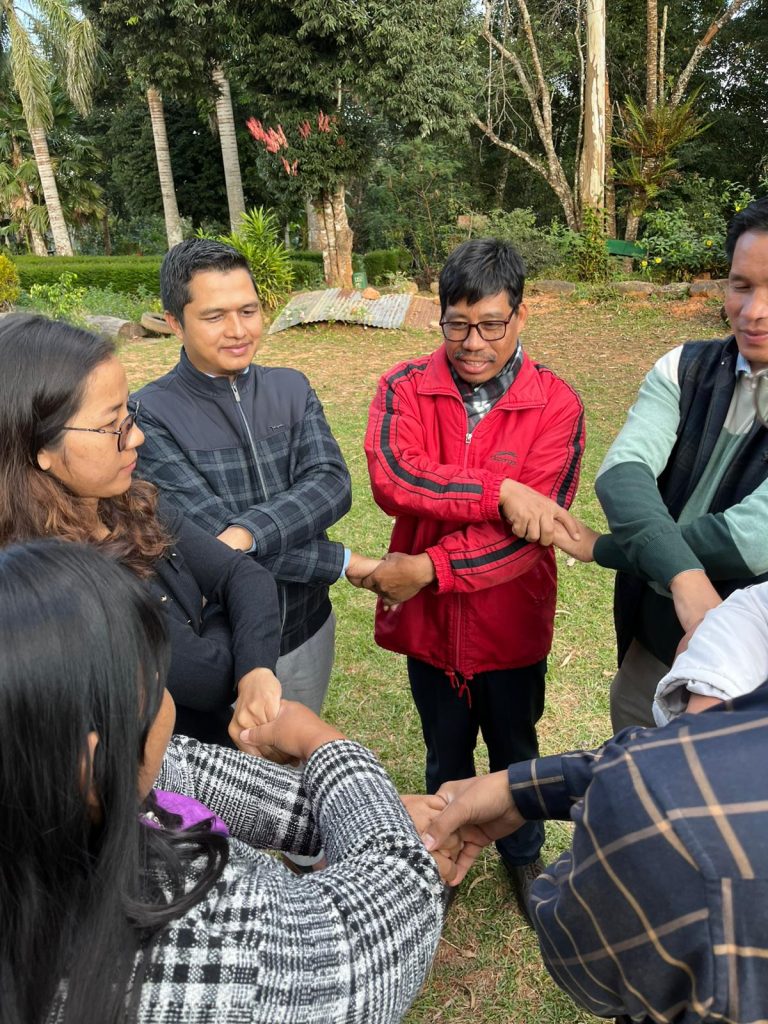
The four days training highlighted:
Life and Dignity
Indigenous people, gender equity, child protection, youth formation, education, SDGs
Sustainable Planet
Climate Change, SDGs, UN Climate Conference, Sustainable, life style, economy, and ecology, agriculture
Just and Inclusive Communities
Interfaith relations and harmony, equity and justice, overcoming, discrimination and prejudices
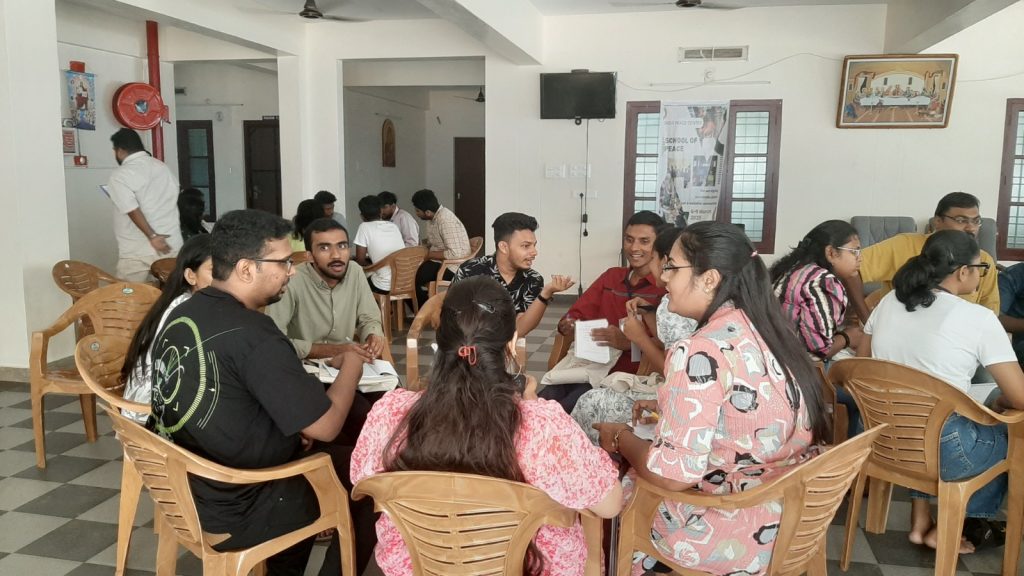
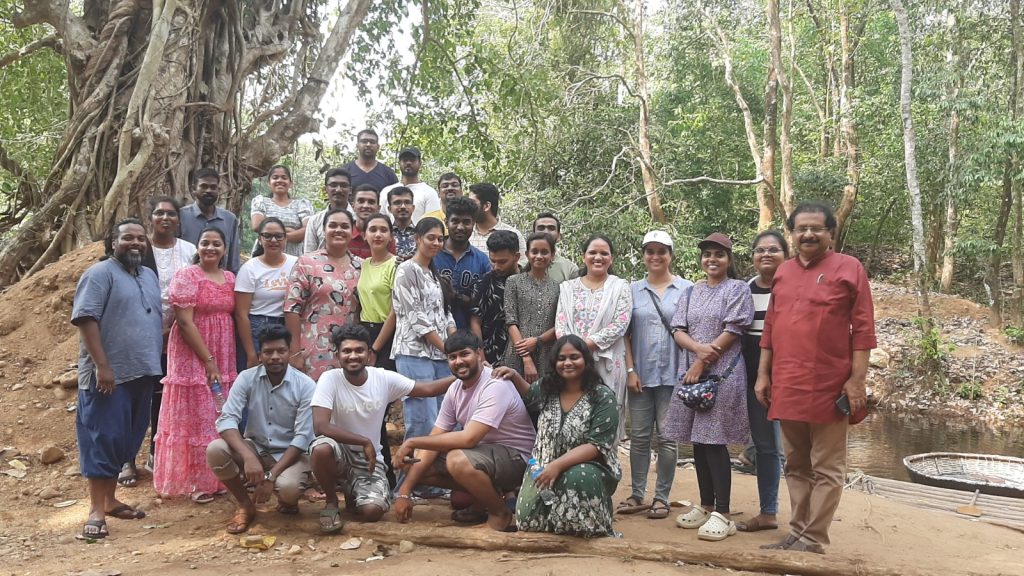
The fourth School of Peace was held at Pathnamthita, Kerala at the Rajan Ecumenical Foundation from 6th to 9th March 2025. About 30 youth attended the program. The four school of peace brought together about 130 youth and students together to reflect on peace from the perspective of justice, life, dignity and integrity.
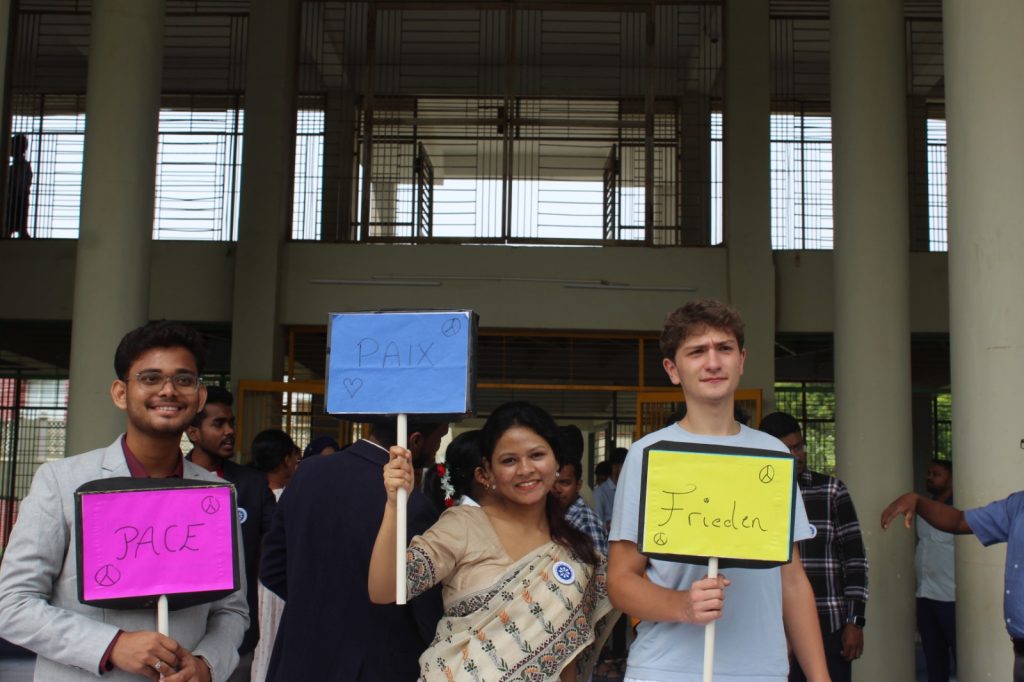
The first School of Peace Program brought this vision to life with profound impact. The overarching emphasis of the four-day training was on the interconnection of peace with justice, intercultural and inter-religious harmony, environmental stewardship, and the use of sustainable technologies. The training program witnessed active participation from 25 youth, 8 organizations, 10 distinguished scholars, and over 100 school students. This report offers a glimpse into this transformative journey.